
Many Christians see generosity as a duty—something we do because we’re supposed to, like paying spiritual taxes. We give our tithe, tick the box, and move on. But what if generosity isn’t just an obligation, but an expression of worship? What if how we give reveals what we truly treasure?
Short answer: Generosity is worship when it flows from a heart surrendered to God. In Romans 12:1, Paul teaches that offering our lives—including our resources—is our “true and proper worship,” not merely a financial transaction.
This article explores what Scripture teaches about generosity as an act of worship, why it matters for your spiritual life, and how Malaysian Christians can practise this in practical ways today.
What Does the Bible Mean by “Generosity as Worship”?

When most of us think of worship, we picture Sunday services—singing hymns, lifting hands, closing eyes in prayer. But the Bible paints a much broader picture of what it means to worship God.
In Romans 12:1, Paul writes to believers living under the pressure of Roman rule, asking them to present their bodies as living sacrifices. This was revolutionary language. Paul uses the word “spiritual” worship here—not worship that’s only about singing, but worship that encompasses every part of life.
For Roman Christians, this meant their daily work, their relationships, their money, and their resources were all part of worshipping God. When we understand this, we realise that generosity isn’t separate from worship. It’s one way worship takes shape in our everyday lives.
The apostle Paul develops this idea further in Philippians 4:18. He’s writing from prison, thanking the Philippian church for their financial support. But notice the language he uses: “a fragrant offering, an acceptable sacrifice, pleasing to God.”
These aren’t casual words. Paul is borrowing imagery directly from Old Testament worship rituals, where priests would offer sacrifices that ascended to God like incense. The Philippians’ gift wasn’t just practical help for Paul’s ministry—it was an act of worship that God received like the temple sacrifices of old.
Their generosity became worship because it flowed from hearts devoted to God, not from a sense of mere obligation or duty. This shifts everything about how we approach giving. To explore more powerful Scriptures that inspire generous living, see our article on generosity in the Bible, which examines key passages about giving from Genesis to Revelation.
How Did Jesus Teach About Generosity and Worship?
Jesus had a way of turning religious assumptions upside down. In Luke 21:1-4, He sat near the temple treasury, watching people make their offerings. The wealthy dropped in large sums—coins that would have clanged loudly against the metal collection boxes.
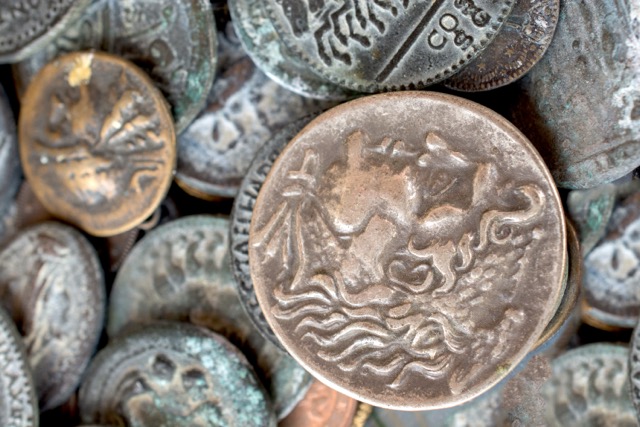
Then came a poor widow with two tiny copper coins, worth less than a penny. Most people wouldn’t have noticed her. But Jesus did. He called His disciples over and made a startling claim: this widow had given more than everyone else.
How could that be? The rich gave “out of their wealth,” Jesus explained, whilst the widow gave “out of her poverty…all she had to live on.” The wealthy gave from their surplus; the widow gave everything.
R. Kent Hughes explains in his sermon on this passage that the temple treasury consisted of thirteen brass receptacles with trumpet-shaped mouths. The large gifts of the wealthy would have made considerable noise as they clinked down the metal funnels. But the widow’s two lepta—the smallest coins in circulation—would have slipped in almost silently.
Yet her gift resounded louder in heaven than all the others combined. This wasn’t about the amount—it was about sacrifice and trust. The widow’s gift was an act of worship because it cost her something real.
She didn’t give from her leftovers or excess. She gave what she needed, trusting God to provide for her. The rich could give large sums without altering their lives one bit; the widow’s gift changed everything about her immediate future.
Jesus measured generosity not by the size of the gift, but by the size of the sacrifice and the depth of trust it represented. Her two small coins became an act of worship because they revealed where her trust truly lay—not in her resources, but in God’s provision.
This is particularly relevant in Malaysia, where income disparity is significant. Jesus’s teaching frees us from comparing our giving to others’ amounts. Worship through giving isn’t about how much we give compared to someone else; it’s about surrendering what costs us something and trusting God with the outcome.
Why Does God Care About Our Heart Posture When We Give?
God isn’t short on resources. He doesn’t need our money to fund His kingdom work. So why does He care so much about our giving? Because giving reveals the condition of our hearts.

In 2 Corinthians 9:6-7, Paul writes to the Corinthian church about a collection for suffering believers in Jerusalem. He addresses both generous and reluctant givers in the congregation, and his words cut to the heart of the matter.
Paul teaches that generous sowing leads to generous reaping—but this isn’t about financial prosperity returns. It’s about the spiritual fruit that comes from joyful generosity. The key phrase is this: “God loves a cheerful giver.”
The Greek word Paul uses here means “hilarious” or “exuberant”—not grudging, not dutiful, but genuinely delighted. This reveals something crucial: giving under compulsion or reluctance isn’t worship; it’s mere compliance.
It’s like a child who cleans their room only because they’re threatened with punishment. The room gets cleaned, but there’s no relationship, no love, no joy in it. When we give reluctantly—calculating the minimum required, resenting the ask, wondering what we’re getting in return—we’ve turned worship into a transaction.
But when we give cheerfully, even when it costs us something, our giving becomes an act of devotion. It demonstrates that we trust God more than we trust our bank accounts. Our giving reveals what we worship, because we invest in what we value most.

Just as God gave His greatest gift in Jesus—explored in depth in our article on the true meaning of Christmas—we’re invited to reflect that generosity in our own lives. God didn’t give reluctantly or calculate the minimum required for our salvation.
He gave extravagantly, at enormous cost, with joy set before Him. When our giving mirrors that kind of heart, it becomes worship.
What Does Generosity as Worship Look Like in Real Life?
If you want to see what worship-driven generosity looks like, look at the Macedonian churches. In 2 Corinthians 8:1-5, Paul describes these believers to the Corinthians as a model worth following.
The Macedonians were facing severe trials and living in extreme poverty—they were the last people you’d expect to be generous. Yet Paul says their “abundance of joy and their extreme poverty” overflowed in “a wealth of generosity.”
They gave not just according to their ability, but beyond it, begging Paul for the privilege of participating in the Jerusalem offering. This wasn’t about having excess to give away. The Macedonians gave from lack, and they gave joyfully. What made the difference?
The secret is in verse 5: “They first gave themselves to the Lord.” That’s the key. Their generosity flowed from worship, not from abundance. Before they ever gave money, they surrendered their lives to God.
John Piper, in his exposition Treasuring Christ Together, captures the heart of the Macedonian example beautifully. He observes that their pleasures weren’t worldly pleasures—they found their joy in the treasure of Jesus Christ and all God was for them in Him.
Christ had become poor that they might become rich, and in turn, He had become their riches. Their treasuring of Christ above money, above security, above comfort resulted in abundant joy and overflowing generosity—or simply, love.
When you’ve already given yourself to the Lord—when you’ve acknowledged that your life, your time, your talents, and your resources all belong to Him—then financial generosity becomes a natural outflow of that deeper surrender. The Macedonians didn’t calculate what they could afford to give. They asked, “What does God want us to give?”
We’ve seen this same principle at work locally. Through community initiatives like Dignity for Children Foundation (founded by our pastors), we’ve witnessed generosity transform lives in Sentul. When people give themselves to God first, generosity follows naturally—whether through financial gifts, volunteering time, or sharing skills.
The foundation serves nearly 1,700 children from urban poor families, made possible by worship-driven generosity from the community.
How Can Malaysian Christians Practise Generosity as Worship Today?
Start with a heart check. Before you give anything, ask yourself: Am I giving to be seen by others? Am I giving out of guilt or obligation? Or am I giving as an act of genuine worship?
The answer matters because it determines whether your giving becomes worship or just another religious duty. God sees past the amount on the cheque to the motives in your heart. If you’re giving grudgingly, it’s worth pausing to pray first.
Ask God to change your heart before you change your giving. The goal isn’t just to give more, but to give from a heart that’s surrendered to Him.
Give proportionally, not just from leftovers. The Macedonian example teaches us that worship-driven generosity is intentional. They didn’t wait to see what was left over at the end of the month. They prioritised their giving as an act of worship, even when it meant going without things they might have wanted.
This doesn’t mean you should give recklessly or neglect your family’s needs, but it does mean examining whether you’re truly sacrificing anything when you give. If your giving never requires you to trust God for provision, it might be too comfortable to qualify as worship.
Look for opportunities in your community. In Sentul and across Kuala Lumpur, there are countless ways to be generous. You might support urban poor initiatives, offer hospitality to international students or refugees, or serve with local ministries.
Generosity as worship can be woven into family rhythms, including Christ-centred Christmas traditions that focus on giving rather than receiving—practical ways families can make generosity a lifestyle rather than an occasional act.
Remember that generosity extends beyond finances. Romans 12:1 reminds us that all of life is worship—including how we steward our time, talents, and relationships. When we offer these as living sacrifices to God, we’re practising generosity as worship in its fullest sense.
Frequently Asked Questions
Is tithing the same as generosity as worship?
Tithing is a biblical practice of giving 10%, but generosity as worship goes beyond percentages. Worship-driven generosity asks, “What does God want me to give?” rather than “What’s the minimum required?” It’s about heart posture and trust, not just hitting a number (2 Corinthians 9:7).
Can I worship God through generosity if I don’t have much money?
Absolutely. The Macedonian churches gave generously despite “extreme poverty” (2 Corinthians 8:2), and Jesus praised the widow who gave two small coins. Generosity as worship isn’t measured by amount, but by sacrifice and trust. Even small gifts given joyfully are fragrant offerings to God (Philippians 4:18).
What if I don’t feel cheerful when I give?
Honesty with God is part of the journey. Start by asking God to change your heart, not just your behaviour. As you experience His provision and grace, cheerful giving often follows. Remember, Paul says God loves a cheerful giver (2 Corinthians 9:7)—the joy comes from knowing God, not from the act itself.
How is generosity as worship different from charity or helping others?
Charity focuses on meeting human needs; generosity as worship focuses on honouring God whilst meeting needs. Both are good, but worship-driven generosity sees giving as a spiritual offering to God (Philippians 4:18), not just humanitarian kindness. It’s motivated by devotion to God first, compassion for people second.
What are practical ways to be generous in Malaysia besides money?
Generosity extends beyond finances. Malaysian Christians can offer time mentoring students, skills training for the unemployed, hospitality for international students or refugees, or serving with ministries like Dignity for Children Foundation. Romans 12:1 reminds us all of life is worship—including how we steward our talents and time.
Conclusion
Generosity as worship transforms giving from a duty into devotion. When we give cheerfully, sacrificially, and with hearts surrendered to God, our resources become spiritual offerings—fragrant incense ascending to Him (Philippians 4:18).
This isn’t about the size of our gifts, but about the posture of our hearts. The widow’s two coins and the Macedonians’ poverty-stricken generosity teach us that worship through giving is available to everyone, regardless of wealth. What matters is whether our giving flows from a life first surrendered to God.
This week, ask yourself: “Where is God inviting me to be generous—financially, with time, or through skills?” Let your answer be an act of worship, not obligation. Don’t wait until you feel you have enough; the Macedonians gave from their poverty, and Jesus praised the widow who gave everything.
Worship-driven generosity starts with surrender, not with abundance.If you’re in Sentul or nearby, we’d welcome you to join us this Sunday. We’re a community learning to live like Jesus and share His love—including through generosity that flows from worship, not guilt. Questions welcome.

Visit Us This Sunday
Experience authentic worship, meet genuine people, and discover community in Sentul. Everyone is welcome—come as you are.
Plan Your Visit